
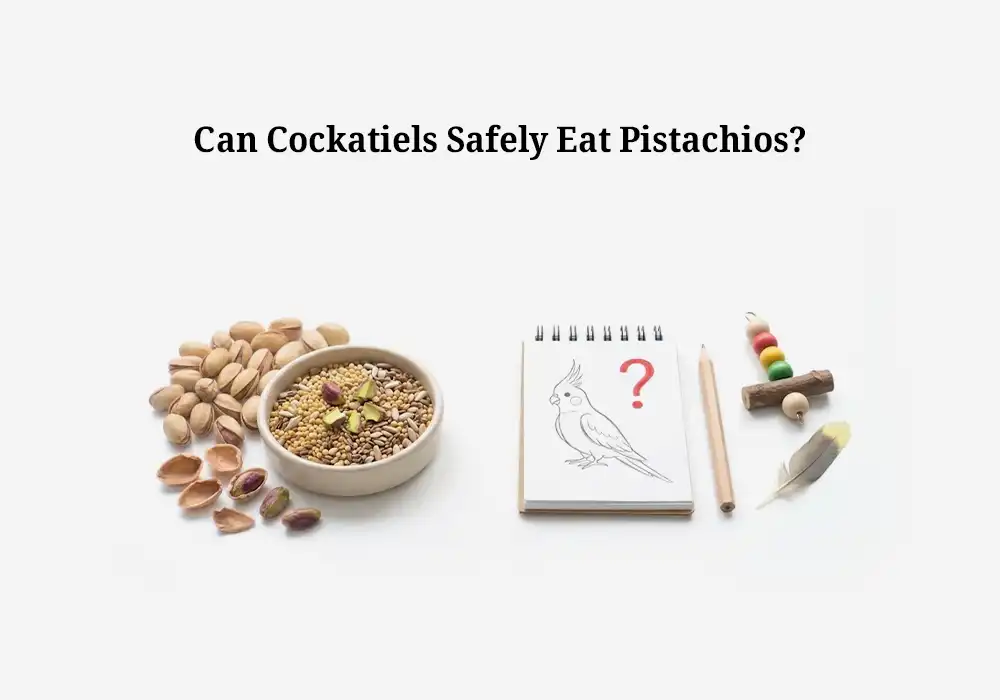
Can Cockatiels Safely Eat Pistachios? (A Clinical Metabolic Dissection in Avian Medicine)
Cultivating a bond with a "Cockatiel"—the intelligent, highly affectionate, and charismatic small parrot adorned with its iconic yellow crest and vivid rouge cheeks—is one of the most profoundly rewarding experiences for exotic bird enthusiasts. In the brutal, expansive wilderness of the Australian outback, these magnificent birds instinctively fly dozens of miles daily, aggressively foraging for wild seeds, sprouts, and botanical nuts. However, the captive cockatiel residing inside your apartment cage experiences a radically divergent, highly sedentary lifestyle. Engineering the precise nutritional diet for this sensitive avian companion is the razor-thin boundary separating a vibrant twenty-year lifespan from premature, tragic death.
One of the greatest, most emotionally driven temptations for bird owners is the desire to share their own culinary delicacies (specifically luxury tree nuts) with their feathered companions. When you are leisurely cracking pistachios on your couch, your cockatiel will inevitably lock onto your hands with intense curiosity, desperately attempting to snatch the prized kernel using its powerful, curved beak! In this critical moment, a vital biological question must override your impulse to share: "Is the microscopic liver and delicate crop of my cockatiel genuinely capable of digesting a dense pistachio? Will this nut physically fortify its plumage, or silently initiate a fatal metabolic cascade?"
The absolute verdict from modern Avian Veterinary Medicine is a "highly conditional and cautious Yes." The pistachio can act as a miraculous, healing energy bomb for your parrot, but if you commit the slightest miscalculation regarding the "preparation type" or the "dosage," this seed mutates into a lethal biological poison. In this profoundly comprehensive, clinical-grade article, we will bypass the feathers and journey directly into the intricate gastrointestinal anatomy of the cockatiel, unveiling the exact science of lipid digestion in small psittacines (parrots).
1. The Healing Side of the Coin: Why Pistachios are an Avian Superfood
When a premium, 100% raw pistachio is administered correctly and at the appropriate physiological time, it delivers astonishing biological benefits to your cockatiel's anatomy:
- The Alchemy of Molting: Once or twice a year, birds undergo the biologically exhausting process of "molting" (shedding old feathers to grow new ones). Synthesizing new plumage demands an exorbitant metabolic toll. Pistachios are densely packed with plant proteins, essential amino acids, and high concentrations of "Vitamin E." This specific vitamin, transported by healthy lipids, travels directly to the bird's feather follicles, guaranteeing that the new plumage emerges with breathtaking vibrancy, structural strength, and a silky texture.
- Psychological Foraging Enrichment: The health of an intelligent parrot is not confined strictly to its physical biology; these birds are highly susceptible to severe psychological depression and self-mutilation (feather plucking) induced by sheer boredom. Handing a cockatiel a raw pistachio with a slightly opened shell acts as the ultimate psychological puzzle. The bird is forced to utilize complex mechanical coordination between its beak and zygodactyl feet to pry the hard shell apart and extract the meat. This mental engagement perfectly mimics wild foraging, deeply satisfying its primal instincts.
- Immune System Fortification: The pistachio kernel is rich in Vitamin B6 and botanical antioxidants, drastically elevating the small bird's immune resistance against common bacterial infections and environmental stressors.
2. The Silent Executioner: Why Salted Nuts are an Avian Death Sentence
The single most catastrophic, lethal error a bird owner can commit is feeding a cockatiel "commercially roasted, salted human pistachios." The renal anatomy (kidneys) of a bird is fundamentally alien compared to a human's. Birds do not possess sweat glands, and their incredibly microscopic kidneys are biologically incapable of filtering high volumes of sodium.
As we conclusively proved in our biochemical showdown analyzing raw vs. salted pistachios, commercial nuts are relentlessly drowned in industrial saltwater brines. If a 90-gram cockatiel consumes even half of a heavily salted pistachio kernel, it instantly suffers from acute Sodium Ion Poisoning (Salt Toxicity). This microscopic grain of salt induces agonizing thirst, immediate renal failure, violent neurological seizures, and ultimately, a tragic and painful death within a matter of days. A cockatiel must exclusively, without exception, consume pistachios in their absolute 100% raw, unadulterated state.
3. The Biological Catastrophe of Avian Hepatic Lipidosis (Fatty Liver)
The cockatiel is a diminutive parrot, boasting an average body weight hovering between a mere 80 to 100 grams! This bird's resting metabolic rate is absolutely not engineered to continuously process massive volumes of dense lipids. In the wild, a bird rapidly incinerates dietary fat through hours of sustained flight; in a captive cage, these fats aggressively accumulate in the internal organs.
The pistachio is an intensely fat-rich seed. Feeding a whole pistachio kernel to a tiny cockatiel is the biological equivalent of a human adult consuming three massive, grease-soaked hamburgers in a single meal! If you recklessly offer pistachios as a primary dietary staple rather than an occasional treat, the bird's microscopic liver will fail to metabolize the lipid overload. The bird will rapidly develop "Avian Hepatic Lipidosis" (Fatty Liver Disease)—a lethal condition characterized by severe respiratory distress, unnatural beak overgrowth, dull plumage, and sudden death.
The Golden Avian Dosage: Pistachios must strictly be utilized as a "high-value weekly training reward." For a cockatiel, the maximum safe therapeutic dose is one-third (1/3) to one-half (1/2) of a single raw pistachio kernel per week.
4. The Shadow of Aspergillosis (Hidden Toxins in Stale Nuts)
The avian respiratory system (comprising complex air sacs) and the digestive tract are horrifyingly hypersensitive to fungal spores. The absolute greatest risk of purchasing cheap, bulk, or stale pistachios for birds is the presence of Aspergillus mold growing invisibly on the shells and kernels.
This specific fungus synthesizes a lethal poison called "Aflatoxin." If a bird cracks a moldy pistachio shell with its beak, it directly inhales the fungal spores into its delicate air sacs, triggering an incurable respiratory disease known as "Aspergillosis." Simultaneously, the ingested Aflatoxin violently attacks and destroys the bird’s liver. To master the vital skill of identifying pristine, sterile nuts and avoiding toxic ones, studying our manual on how to identify fresh and high-quality pistachios is a non-negotiable necessity for every responsible bird owner.
5. The Serving Protocol: How to Prepare the Nut
To guarantee the mechanical safety of your cockatiel's crop and gizzard, enforce these strict preparation laws:
- Human-Grade Raw Exclusivity: Never purchase pre-packaged "parrot nut mixes" from pet stores, which often languish in damp warehouses for years. Your bird’s pistachios must be sourced from the exact same luxury, human-grade, ultra-fresh raw supply that you consume.
- Hydration (Optional but Gentle): To ensure the kernel is completely devoid of dust and slightly softer for the small beak, you can soak the raw kernel in cold water for an hour, dry it meticulously, chop it into millet-sized fragments, and place it in their foraging bowl.
- Sterilized Shells: If you intend to offer the pistachio with the bony shell intact as a puzzle toy, you must boil the shell briefly and dry it completely in the oven to ensure absolute bacterial and fungal sterility.
6. Selecting the Purest Seed of Nature for Your Bird
When the life and vitality of a fragile, 100-gram exotic bird hang in the balance, the biological purity and absolute quality of its food transcend culinary preference—it becomes a matter of life and death. You cannot gamble with your parrot's liver. You demand a pistachio that is flawlessly fresh, entirely raw, biologically sterile, and utterly devoid of the slightest warehouse contamination.
Within the global empire of premium dry fruits, the Ahmad Aghaei Pistachio stands as the undisputed masterpiece of biological hygiene. Its extraordinarily high percentage of beneficial, unoxidized natural fats and its delicate, crunchy texture make it the most ideal, mouth-watering high-value reward imaginable for your cockatiel. The inherently sweet, heavenly flavor of the raw Ahmad Aghaei is so profoundly captivating that your parrot will eagerly execute every complex training trick just to earn a tiny fragment of it!
The Walmondhe engineering and trading group proudly supplies the most massive, pristine, hand-selected raw Ahmad Aghaei pistachios directly from Iran’s most prestigious orchards. Processed utilizing the world's most hyper-sensitive optical sorting technology, we guarantee that our cargo is completely devoid of industrial salts, destructive thermal processing, staleness, and liver-destroying Aflatoxins (the silent killer of parrots). We deliver nature’s purest, safest, and most potent biological capsule of health directly to your beautiful bird’s cage.
To secure bulk commercial orders for exotic pet food manufacturers, specialized avian veterinarians, inquire about real-time export pricing, and receive highly specialized consultation, connect with our commercial sales department through the official channels below:
- Direct & Fast WhatsApp Communication: +989136667618
- Direct Sales Department Telephone: +989136667618