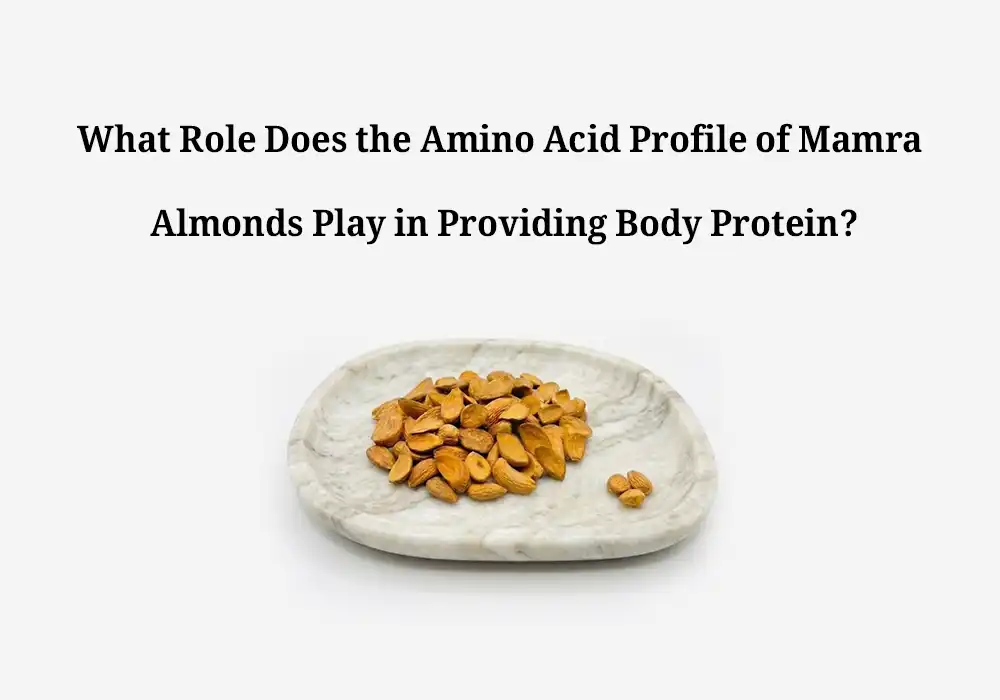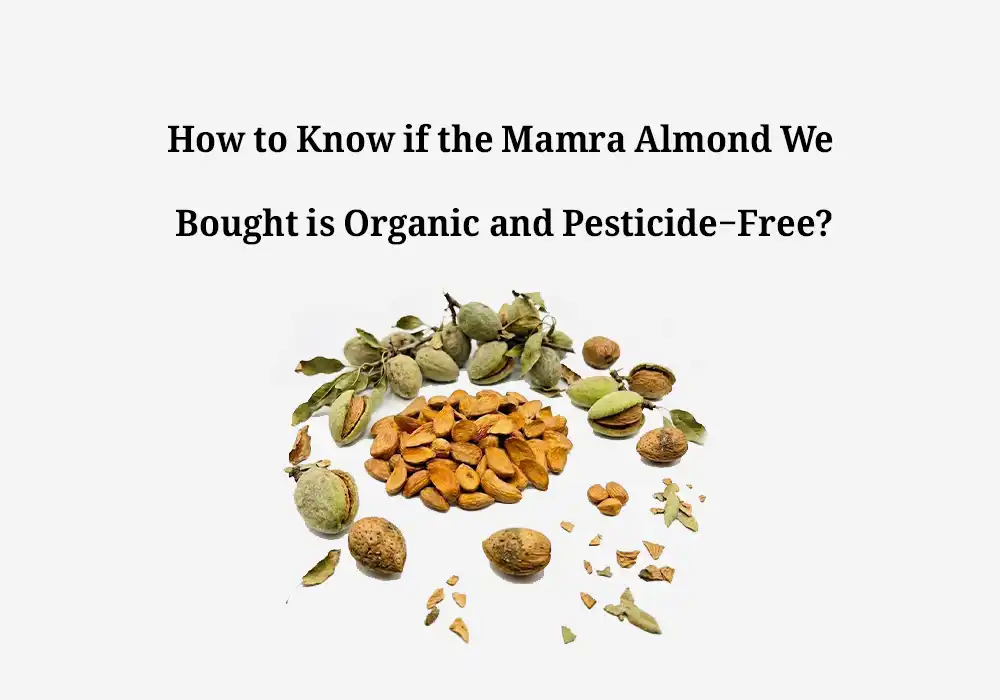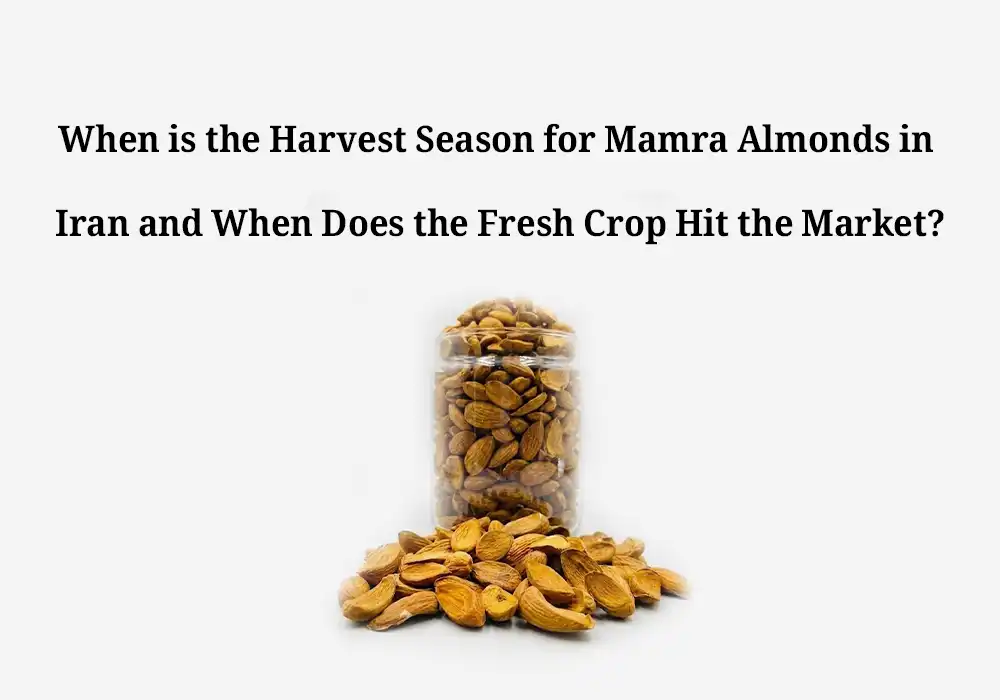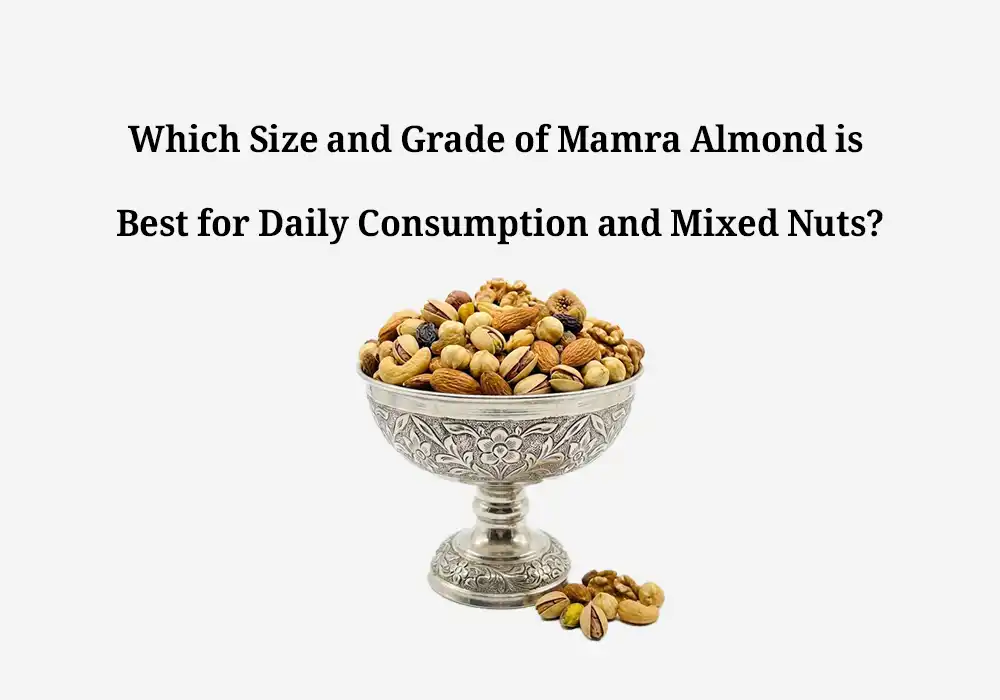


CATEGORIY
SEE MORE
What sets Walmond apart from others is the unrivaled quality of our products. This quality starts with all products being sourced directly from selected farmers, then handpicked with exemplary care by a professional workforce, and finally packaged and ready for shipment using the latest equipment.
How to determine the freshness of almond kernels in domestic and export markets
Guide to buying freshly harvested almonds
Read More
Comprehensive comparison between the sizes of different almond grades in Iran
The impact of almond size on price and consumer applications
Read More
Scientific review of the nutritional composition of almonds
Its role in body energy balance for active and busy individuals
Read More
How to make almond tea
How to make almond tea combined with cinnamon and honey to boost the immune system
Read More
The Alchemy of Flavor: A Specialized Exploration of Almond Varietie
A Specialized Analysis of Differences in Aroma, Flavor, and Texture Across Almond Varieties and the Secret of Iran’s Climate
Read More
Comprehensive analysis of satiety mechanisms, absorption, and weight management
Do calories lie? The secret of weight loss with almonds;
Read More
The nut battle: Peanuts, walnuts, or almonds? Which one helps with weight loss?
Scientific comparison of peanuts, walnuts, and almonds for fat burning
Read More
The Best Way to Eat Almonds for 100% Vitamin Absorption
Are roasted almonds healthy? A scientific review of the best ways to consume almonds (Raw, Soaked, or Roasted).
Read More
5 Keto Energy Bombs with Almonds;
Recipes for Homemade Bread, Butter, and Flour (Cheap & Healthy)
Read More
Comprehensive analysis of the global almond market
Green Gold Battle: Comprehensive Analysis of the Global Almond Market & Why Iran Wins the "Quality" Game
Read More
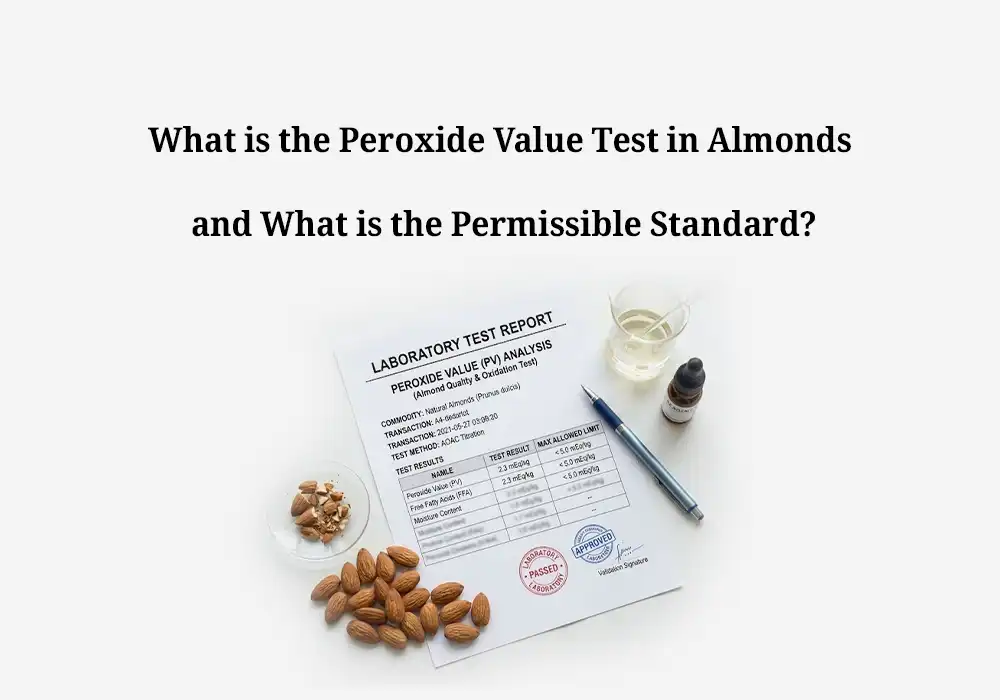
Comprehensive Guide to Almond Quality Control for Bulk Buyers:
How to Identify Stale, Damp, and Infested Shipments?
Read More
Can Almonds Help You Lose Weight?
The Scientific Truth About Satiety, Calorie Absorption, and Belly Fat
Read More
Almond & Protein Granola Recipe:
Almond & Protein Granola Recipe: Homemade Rocket Fuel for Athletes (The Ultimate A-Z Guide)
Read More
Battle of Fats: Expert Analysis of Almond Fat
Comparison with walnuts, pistachios and olive oil
Read More
A Comprehensive Review of Almonds for Memory
Genius in a Handful: A Comprehensive Review of Almonds for Memory, Brain Fog, and Dementia Prevention
Read More
The Detective’s Guide to Spotting Fake Almond Oil
How to distinguish pure almond oil from paraffin and peach kernel oil?
Read More
How to Make Vegan Almond Cream: A Luxurious, Dairy-Free Substitute
Step-by-step tutorial for making thick plant-based cream (sweet and savory) for pasta, coffee, and cakes.
Read More
Elixir of bone youth: the nutritional value of almonds
The Elixir of Bone Youth: Nutritional Analysis of Almonds for Seniors and Fighting Sarcopenia (Muscle Loss)
Read More
Expert Guide to Best Export Packaging Standards
What is the best packaging method for almond exports? Technical review of nitrogen gas injection (MAP) and vacuum for preserving freshness.
Read More
A Comprehensive Review of Almonds for Microbiome Restoration & Gut Health
Review of the role of almond skin and its fiber in the production of "butyrate," constipation treatment, and the enhancement of beneficial gut bacteria.
Read More
A Comprehensive Comparison of Persian vs. American (California) Almonds
The World War of Almonds: A Comprehensive Comparison of Persian vs. American (California) Almonds; Why One Tastes Like "Wood" and the Other Like "Butter"?
Read More
Paper-Shell (Moheb) or Stone Almonds?
The Battle of Economics vs. Convenience: Paper-Shell (Moheb) or Stone Almonds? A Precise Profit & Loss Autopsy for Buyers
Read More
Rabie vs. Shahroudi Almonds
Technical Anatomy: Rabie vs. Shahroudi Almonds; A Comprehensive Guide for Processors and Bulk Buyers
Read More
What is Monagha Almond?
Monagha vs. Ordinary Paper-Shell Comparison (The Battle of Nobility)
Read More
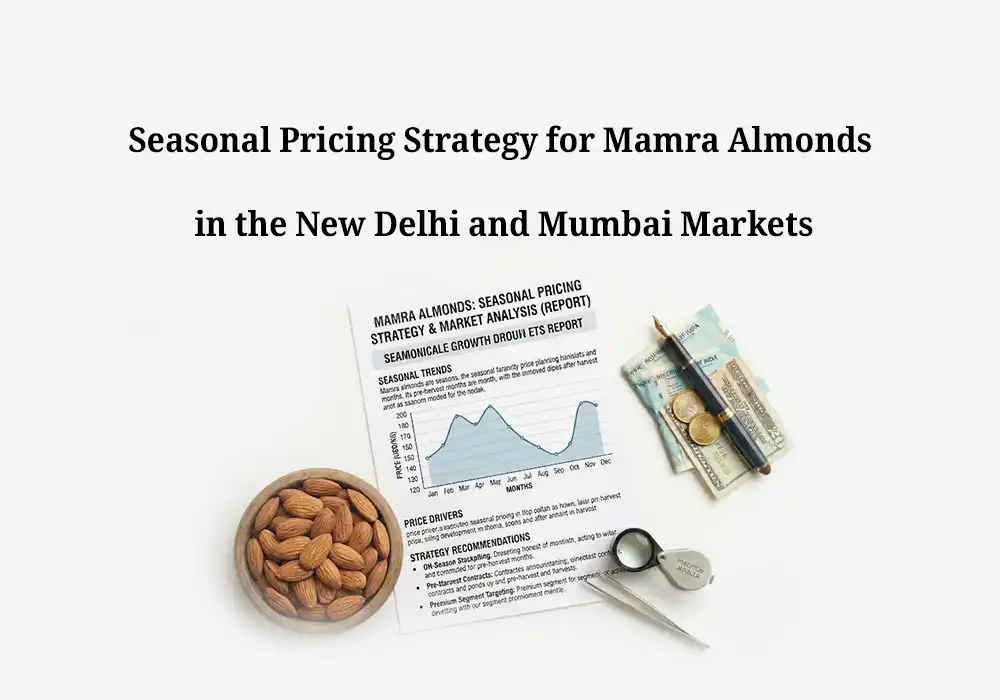
Is Investing in Mamra Almonds More Profitable than Stone Almonds?
Do you know the profit margin of Mamra almonds in the Indian market?
Read More
Iranian vs. American Almonds: 5 Scientific Reasons Why Iranian Almonds Have Higher Oil Content
Did you know Mamra almond oil content is 60% vs California's 40%?
Read More
Mamra Almond Grading Standards (Size 80-100): What is the Golden Standard for Export to India?
What is the difference between Mamra almond sizes 80, 90, and 100?
Read More
Paper Shell (Moheb) or Stone Almonds?
A Mathematical Review of Economic Value for the Consumer (2025 Update)
Read More
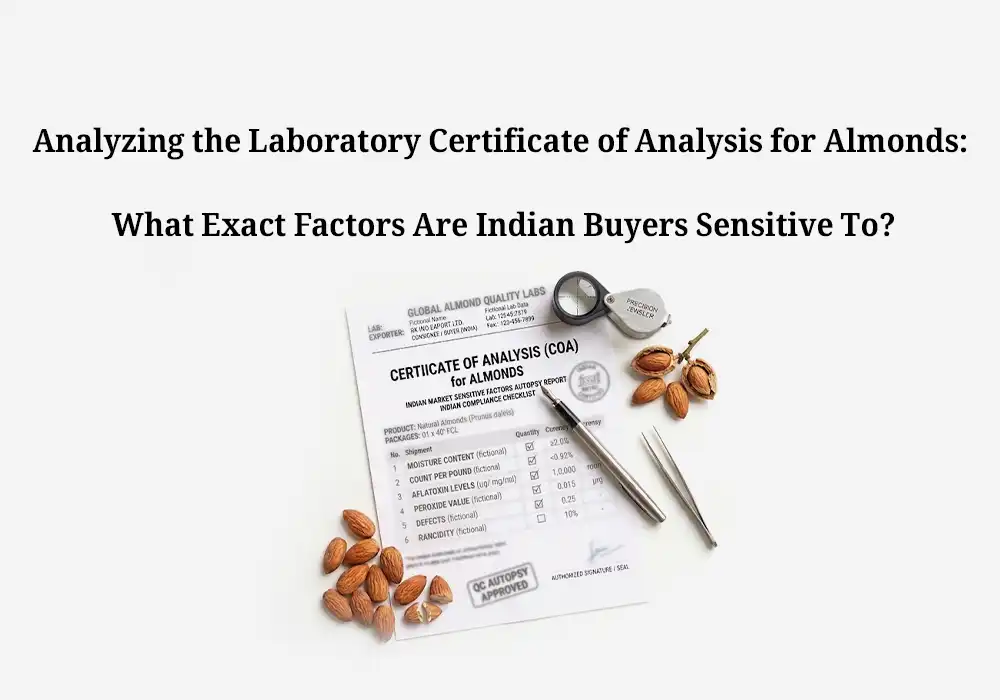
How to Detect Fresh vs. Stale Almonds?
3 Insider Tricks Sellers Won't Tell You (2025 Guide)
Read More
Almonds vs. Walnuts:
Which is the Omega-3 King for Memory and Anti-Aging? (Scientific Battle - 2025 Update)
Read More
Comprehensive Technical Analysis of the "Twin Kernels" Indicator.
Why "Twin Kernels" Are the Hidden Variable in Indian Market P&L
Read More
Lab Analysis of Shahroudi 12 Almond
Why Shahroudi 12 is the Most Strategic Substitute for Mamra Almonds in the Indian Market
Read More
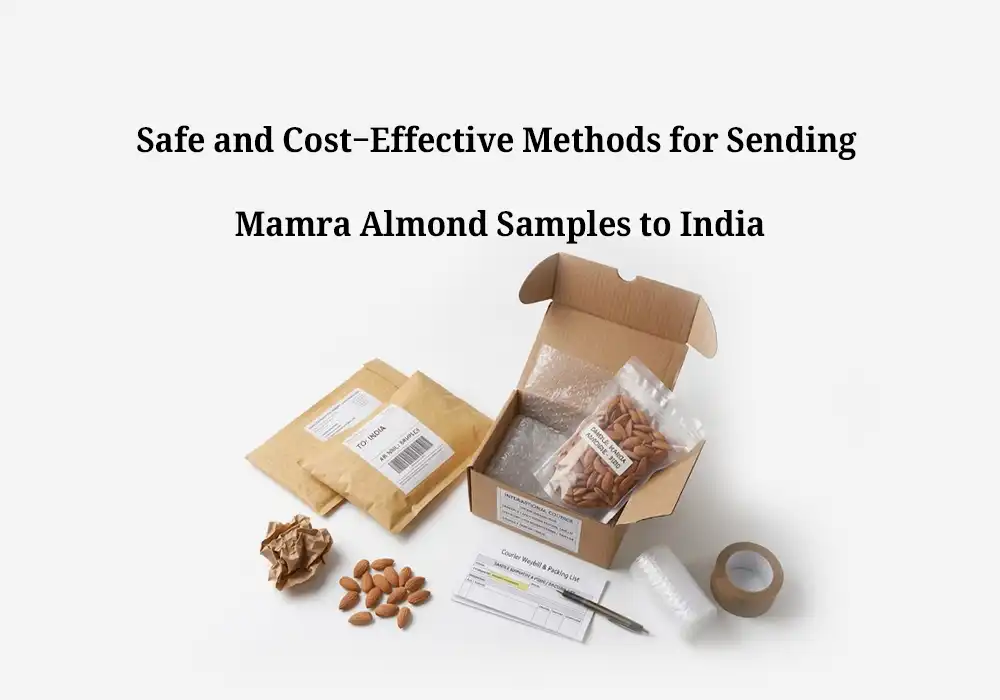
Zero Breakage Strategy
Logistics Engineering and Export of Moheb (Paper-Shell) Almonds to India
Read More
Stone vs Rabie Almonds for Indian Confectionery & Mills
Meta Title: Stone vs Rabie Almonds for Indian Confectionery & Mills
Meta Description: B2B technical analysis of Blanching yield, milling dynamics, and COGS reduction in India's confectionery sector by choosing Shahroudi over Rabie almonds.
Meta Keywords: Stone Almond, Rabie Almond, Almond Powder, Indian Confectionery, Shahroudi Almond, B2B Export, COGS Optimization
Slug: stone-vs-rabie-almond-for-indian-confectionery
Macro-Engineering and Economic Analysis: Strategic Comparison of Stone (Shahroudi) and Rabie Almonds for India's Confectionery and Milling Industries
Within the highly complex, multi-layered, and fiercely competitive ecosystem of the Agri-Food Global Trade—particularly within India’s boundless market—the consumption of almonds has undergone a massive Paradigm Shift. Today, almond consumption is no longer confined merely to raw snacking and luxury retail. According to macro-economic data, a massive and strategic percentage of almond imports arriving at mega commercial hubs such as Mumbai (APMC Market), New Delhi (Khari Baoli), and the southern states is channeled directly into colossal processing facilities. These include traditional Indian sweet manufacturers (Mithai, such as Badam Barfi and Ladoo), Marzipan production workshops, and industrial Almond Flour Mills.
For an Industrial Procurement Manager, R&D Director, or Supply Chain CFO in India, the visual appeal of the kernel or the aesthetic of the shell is of secondary, even marginal, importance. In a B2B Industrial Model, what guarantees organizational survival and factory profit margins at the close of the fiscal year are strictly technical, chemical, and engineering parameters: Processing Yield, the Peelability Index, Thermodynamic Resistance in baking ovens, Oxidative Stability, and, most crucially, the Cost of Goods Sold (COGS).
In this specialized, comprehensive, and data-driven white paper from the Walmond Strategy and Engineering Research Department, we deploy precise biochemical, mechanical, and thermodynamic autopsy methodologies to compare the two primary contenders for India's industrial raw material supply: the Rabie Almond and the formidable representatives of the Stone Almond family (Shahroudi 7 and 12). The objective of this deep analysis is to establish a definitive roadmap for B2B executives to make the most strategic and profitable procurement decision to feed their production lines.
1. Biomechanical Analysis and Milling Dynamics (Particle Size Distribution)
The production of almond powder and flour in India's massive factories is not simply the act of crushing a seed; it is a highly complex Milling Engineering process wherein the cellulosic structure and endosperm of the kernel are pulverized under shear, compressive, and impact stresses. The morphological and cellular structural differences between Rabie and Stone varieties directly influence process efficiency, machinery wear-and-tear, and the quality of the Finished Product.
A) Shear Resistance and Biomechanical Grinding Behavior (Fracture Mechanics)
The Rabie almond typically possesses a relatively softer tissue, lower cellular density, and a somewhat spongier matrix compared to pure stone varieties. This biomechanical trait dictates that when the Rabie kernel passes through the steel rollers of industrial Roller Mills or Hammer Mills, rather than fracturing into fine, uniform particles, it undergoes Plastic Deformation under the applied force, partially mashing or flattening.
Conversely, authentic stone varieties such as the Shahroudi 7 Almond and Shahroudi 12 Almond exhibit exceptionally high Tissue Density and a highly compacted, almost crystalline internal structure. In the science of Fracture Mechanics, this tissue density ensures that the Shahroudi kernel shatters beneath the blades of a Pin Mill via a perfectly Brittle Fracture. This generates a powder with a highly uniform, standardized Particle Size Distribution (PSD) entirely devoid of Oversize Particles. This micrometric uniformity is an absolute technical prerequisite for manufacturing macarons and sensitive confectionery pastries that demand a silky, cohesive texture. For a deeper structural exploration of these two varieties, referring to the baseline article Rabie vs. Shahroudi Almonds is a fundamental engineering necessity.
B) Eradicating the Clumping Phenomenon and Fat Smearing
One of the most devastating Operational Nightmares for almond powder manufacturers in the intensely humid, tropical regions of India (e.g., Maharashtra, Kerala, Tamil Nadu, and Karnataka) is the Caking/Clumping and Fat Smearing of the flour within production lines and storage silos. When an almond is excessively soft (like certain Rabie sub-grades) or harbors unbalanced structural moisture, the frictional heat generated by the milling blades ruptures the cell walls prematurely. Almond oil (Oil Exudation) is released too early, causing the powder particles to aggregate. Consequently, the machine's output devolves from a dry, flowing powder into a greasy, unusable paste that blocks the machinery's filtration screens.
The Stone Almond family (Shahroudi), due to its strictly controlled intrinsic moisture and Water Activity (aw typically below 5%) combined with its cellular cohesion, demonstrates vastly superior Thermodynamic Resistance against temperature spikes within the mill. These varieties yield a perfectly "Free-flowing" (dry, un-clumped) powder without premature oil release. This extraordinary characteristic drastically extends the Shelf Life of almond powder in pouch packaging, decisively preventing costly Product Recalls from supermarket chains.
2. Blanching Efficiency and Thermodynamic Peelability Index
In the B2B sector, absolutely no confectionery, Almond Milk facility, or Marzipan workshop in India processes or mills almonds with their brown, skin-on pellicle intact. The dark coloration and the astringent flavor of the skin's Tannins visually and organoleptically ruin the final product. The Blanching Process is the foremost, most capital-intensive, and critical Bottleneck in processing lines.
Endosperm Adhesion Dynamics
Within industrial Steam Blanchers, almonds are subjected to a combined thermal shock (boiling water and pressurized steam) to expand and swell their cellulosic Epidermis, severing its bond with the Endosperm. The kernel then traverses ribbed rubber rollers to strip away the skin.
- Thermodynamic Behavior of Rabie Almonds: In numerous Rabie sub-grades, due to genetic factors and biological variations at harvest, the adhesion level of the skin to the endosperm is relatively high, and the skin thickness is non-uniform. Consequently, after passing through the steam tunnel, the blancher's rubber rollers fail to achieve a 100% clean peel. The presence of residual skin (Incomplete Blanching) forces the factory to implement Manual Sorting Stations staffed by dozens of laborers or subjects the batch to Re-blanching. This vicious cycle drastically inflates the factory's OPEX (Operational Expenditure), water consumption, and thermal energy usage.
- Thermodynamic Behavior of Stone Varieties (Shahroudi Family): In calibrated industrial blanching tests, Shahroudi 7 and 12 almonds consistently register an exceptional Peelability Index approaching 99%. Upon absorbing steam moisture, the bond between skin and meat fractures rapidly, allowing the skin to peel away seamlessly as a cohesive tube. The blancher output for Shahroudi yields kernels that are immaculately white, translucent, unmarred, and completely devoid of brown spots (Zero Residual Skin). This uniform, snow-white aesthetic is a highly sought-after industrial standard and an irreplaceable competitive advantage for producing premium marzipan and luxury Indian sweets.
3. Lipid Profiling, Biochemical Analysis, and Baking Thermodynamics
In premium confectionery, baking, and luxury sweet production, almond powder or paste is never merely a cheap Volume Filler; it is the primary architect of the final product's Texture, crunch, moisture retention, and Flavor Profile. These organoleptic properties are inextricably linked to the kernel's Fatty Acid Profile and amino acid matrix.
A) Maillard Reaction and Flavor Development Engineering
During the prolonged heating processes required for traditional, highly popular Indian sweets (such as Soan Papdi, Badam Halwa, Badam Pak, Barfi, and Ladoo) inside massive vats and commercial ovens, the Maillard Reaction takes center stage. This complex chemical reaction between free amino acids and reducing sugars in the presence of heat is responsible for producing the desirable golden coloration and caramel/nutty flavor notes. Because Shahroudi stone almonds possess an unparalleled biochemical equilibrium between crude protein (exceeding 20%) and natural sugars, they exhibit highly stable and predictable kinetic behavior against the intense heat of confectionery ovens. Unlike lower-quality varieties (or degraded Rabie stock from improper warehousing) that harbor high free sugars and rapidly caramelize, burn, and develop Bitter & Acrid Notes at high temperatures, Shahroudi retains its rich, sweet, "Nutty" profile even at temperatures exceeding 180°C, keeping the final product's color vibrant.
B) Oxidative Stability and Product Shelf Life Guarantee
As proven in food chemistry, the drastic increase in the Surface Area to Volume Ratio following the milling process makes almond powder highly susceptible to lipid oxidation, fat hydrolysis, and Rancidity. If a factory operating in India's hot, unventilated, and humid warehouses utilizes an almond with unstable fatty acids, the final packaged sweet will develop a stale, paint-like, or "soapy" odor within weeks, annihilating the manufacturer's Brand Equity. The Stone Almond family, particularly Shahroudi 12, demonstrates an exceptionally high percentage of Oleic Acid (Omega-9—a highly stable monounsaturated fatty acid) and substantial quantities of Alpha-Tocopherol (Vitamin E), nature's most potent antioxidant, in Gas Chromatography-Mass Spectrometry (GC-MS) analyses. This unique chemical composition bestows the resulting powder with extraordinary PV & FFA Stability against lipid peroxidation. For a granular examination of chemical spoilage mechanisms, peroxide reactions, and engineered prevention methods during customs warehousing, reviewing the specialized white paper How to Detect Fresh vs. Stale Almonds is strictly advised as a technical reference.
4. The Twin Kernels Strategy: Transforming a Threat into a Money-Printing Machine!
In the traditional retail trade of luxury in-shell or shelled nuts, a high Twin Kernel percentage is viewed as a cosmetic defect, a highly negative factor, and a destructive catalyst for Price Deductions and heavy penalties in India. However, within the economies of industrial scale and processing lines, twin kernels represent a "Hidden Goldmine" and a brilliant Smart Procurement strategy.
Paradigm Shift in Indian B2B Smart Procurement and COGS Engineering
As precisely formulated and modeled in the influential, comprehensive white paper Impact of Twin Kernels on Export Almond Pricing, twin kernels in B2B markets face a price penalty, trading at a substantially lower rate (frequently 15% to 30% cheaper) than flawless, symmetrical Single Kernels. For the Production Manager of a colossal almond flour, confectionery, or oil-extraction plant in the NCR (National Capital Region) or Gujarat, the geometric shape of the kernel (one flat side, deformity, or asymmetry) is utterly irrelevant. The seed is destined for the grinder to be pulverized; its shape vanishes seamlessly into marzipan paste.
Within the Walmond brand's commercial portfolio, we strategically isolate and categorize Shahroudi 7 and 12 batches featuring high percentages of twins or broken kernels (whether naturally occurring or post-laser sorting) into a specialized "Industrial Grade." This grade is offered to Indian factories at a fiercely competitive and highly attractive price point. Conversely, isolating twin kernels in the Rabie variety is often technically more challenging due to its unbalanced, highly variable sizing, which diminishes the economic viability of sorting it. By procuring isolated, sorted twin batches of Shahroudi, the Indian factory owner receives the exact same nutty flavor, the identical high fat content (exceeding 50%), the same protein profile, and identical blanching excellence—but with a massive, strategic, and guaranteed reduction in their COGS (Cost of Goods Sold). This marks a turning point, showcasing the art of Procurement Engineering: utilizing the perfectly engineered material for the appropriate market to directly amplify shareholder dividends.
5. Bio-Risk Management: The Armored Defense Against Aflatoxin
The Food Safety and Standards Authority of India (FSSAI) is globally recognized as one of the strictest, most impenetrable, and rigorous regulatory bodies regarding the monitoring of Mycotoxins, heavy metals, and pesticide residues at ports of entry. The rejection of a single container at Nhava Sheva or Mundra customs due to Aflatoxin levels (Aflatoxins B1, B2, G1, G2) exceeding permissible limits signifies stagnant working capital, crippling port demurrage fees, cargo incineration, and the total obliteration of an Indian importer's or manufacturer's annual profit.
The Biological Armor of Stone Varieties Against Fungal Assaults
The Rabie almond possesses a shell that is relatively thinner and more fibrous than pure stone varieties. If thermal and hydraulic stressors in the orchard are not micromanaged during the growing season, Rabie frequently suffers from premature Hull Split Issues / Suture Opening while still on the tree. These fissures serve as an open, unprotected gateway for the Navel Orangeworm and the rapid ingress of dangerous Aspergillus flavus fungal spores under field conditions. In stark contrast, authentic Stone Almonds like the Shahroudi family are encased in a violently thick Lignified Barrier—dense, impenetrable, and completely hermetically sealed during growth and maturation on the branch. This impenetrable morphological wall reduces the physical probability of pest, larval, and fungal spore penetration into the endosperm to absolute zero. Therefore, procuring Stone Almond kernels (Shahroudi)—freshly cracked, mechanically shelled in a totally sterile environment, under strict moisture control (sub-5%) at the Walmond facility, and immediately vacuum-sealed—constitutes the safest, most isolated, and absolute Zero-Risk Investment. It guarantees seamless, rapid, and flawless passage through the stringent HPLC test filters at accredited laboratories in Indian ports and customs. For a major factory, Security of Supply outweighs raw commodity pricing.
6. Macro-Economic Analysis and ROI: Profit Architecture for Indian Factories
The confectionery, baking, and food powder manufacturing industry operates on a Variable Margin basis and is acutely Price-Sensitive. If raw materials are procured even slightly higher than the competition, competing in the FMCG (Fast-Moving Consumer Goods) sector becomes impossible, resulting in a rapid loss of Market Share.
A) Why Processing Mamra and Luxury Varieties into Powder is a Catastrophic Financial Error
Utilizing super-luxury, therapeutic, and unrivaled varieties like the Mamra Almond, or interactive, entertainment-driven varieties like the paper-shell Moheb Almond, to produce flour, powder, or sweet paste lacks absolute economic or rational justification. The buyer pays an exorbitant dollar Premium for their elongated appearance, jumbo size, delicate paper shell, and luxury status—visual value-adds that are obliterated and annihilated in the very first second they enter the mill’s grinding gears. Should you require a rigorous mathematical analysis comparing the financial justification of paper-shell versus industrial varieties, study the reference article Economic Value Analysis: Paper-Shell vs. Stone Almonds to master Product Allocation Strategy in the Indian market.
B) The B2B Economic Battlefield: Rabie vs. Shahroudi in the Profitability Scales
- Supply Chain Volatility and Chain Risk: While unsorted Rabie offers a reasonable baseline price, its qualitative volatility, severe morphological inconsistencies, and sizing instability across different batches throughout the year can severely disrupt the factory manager's calibration of blanching and slicing machinery. This translates directly to Downtime, accelerated machine depreciation, and elevated Wastage percentages.
- Industrial Consistency, Supply Security, and Scalability: Shahroudi 7 and 12 almonds boast exceptionally high supply consistency, genetic resilience to climate, and massive production tonnages across vast expanses of Iranian orchards. As an Indian Procurement Director or Supply Chain Manager, you can forge rock-solid Annual Supply Contracts, wholly confident that your twelfth container shipment at year-end will possess the exact same quality, caliber, twin percentage, moisture level, and lipid profile as the first container shipment in January.
Our economic department's financial calculations and modeling demonstrate that the Landed Cost of Shahroudi industrial cargoes (particularly engineered sorts containing twins or broken kernels) is so attractive and cost-effective for the Indian manufacturer that it can continuously and cleanly elevate the factory's Operating Profit Margin by 15% to 25% compared to utilizing Californian, Australian, or unsorted Farmer's Stock Rabie. This signifies a definitive COGS reduction and the generation of a powerful liquidity stream for the processing plant.
7. Industrial Laser Sizing Standards and OEE Maximization
In processing engineering and mechanized production lines, size uniformity is not merely about aesthetic appeal in the final packaging; it is absolutely vital and decisive for ensuring Thermal Processing Uniformity in ovens, roasters, and blanchers.
- Impact on Industrial Thermodynamics: If a blanching Batch consists of an uncalibrated mixture of small and jumbo almonds, the machine's thermodynamic settings collapse. The smaller almonds are overcooked, mashed, and suffer oil exudation due to excessive heat, while the larger almonds, lacking sufficient steam penetration to their endosperm center, remain Under-blanched, retaining stubborn brown skin patches.
- The Walmond Calibration Standard: At Walmond's advanced High-Tech facilities, industrial Shahroudi cargoes undergo rigorous calibration prior to export using multi-stage Precision Vibratory Screens and Laser Sorters, segregating them into highly restricted and isolated size brackets (e.g., precisely 27/30 or 30/32 count per ounce). This unparalleled mechanical precision empowers the Indian factory engineer to lock their Automation Settings to a constant standard, operating the machinery at the highest possible efficiency with minimal downtime or recalibration requirements (Maximum Overall Equipment Effectiveness - OEE).
8. Executive Conclusion and Action Plan for B2B Procurement Departments in India
For Procurement Departments, Chief Financial Officers (CFOs), and Supply Chain Directors at major food and confectionery manufacturing corporations in India's industrial and commercial hubs (such as Maharashtra, Gujarat, Tamil Nadu, Uttar Pradesh, and New Delhi), the strategic selection of raw materials forms the razor-thin boundary between undisputed market leadership and hidden bankruptcy. As highlighted in the comprehensive report Comprehensive Analysis of the Global Almond Market, the future of the food industry belongs to manufacturers who engineer their raw material supply chains mathematically, intelligently, and based on hard data.
- Although the Rabie almond serves a purpose in economical mixed nut snacking, chocolate coating, and budget retail, when the discourse shifts to Precise Mechanical Blanching Yield, PSD Uniformity in Mills, Thermodynamic Baking Stability, Lipid Oxidative Stability, and Absolute Biological Security Against Aflatoxin Risk, the formidable Stone Almond family (specifically the engineered Shahroudi 7 and 12 varieties) stands utterly unrivaled, incomparable, and guaranteed in the Indian market.
- By executing a procurement plan for the continuous importation of Shahroudi Industrial Grades—comprising specifically requested, laser-sorted, and calibrated percentages of twins and broken kernels from the prestigious Walmond brand—you will not only drastically and sustainably slash your organization's COGS (Cost of Goods Sold) and amplify your pricing maneuverability in the competitive FMCG market, but you will also inject the rich, organic, and authentic flavor of premium Iranian almonds directly into the core of your production lines, fostering intense Customer Loyalty.
Strategic Call to Action for Indian Factories: If you serve as the Procurement Director, CFO, or Chief Production Engineer of a massive Mithai Manufacturing plant, plant-based protein powder facility, base almond oil extraction plant, or Marzipan paste workshop in India, immediately halt the squandering of your organization's capital on bulk, unsorted, mixed, and highly risky farmer's stock from intermediaries. To receive specialized Procurement Engineering consultation, review detailed Biochemical and Lipid Profile Analyses (GC-MS), and secure guaranteed bookings for Industrial Shahroudi sorted cargoes (featuring customized, engineered twin percentages) calibrated exclusively to optimize your machinery's efficiency, contact the Walmond B2B International Commercial and Export Department right now. We guarantee, secure, and render your factory's production line highly profitable with the most cost-effective, stable, and superior-quality raw materials available.
Read MoreABOUT US
Walmond's mission is to bring the authentic taste and pure quality of Iranian dried fruits to the whole world. Therefore, we invite all potential business partners around the world, as well as large stores in Iran, to cooperate.
Read More