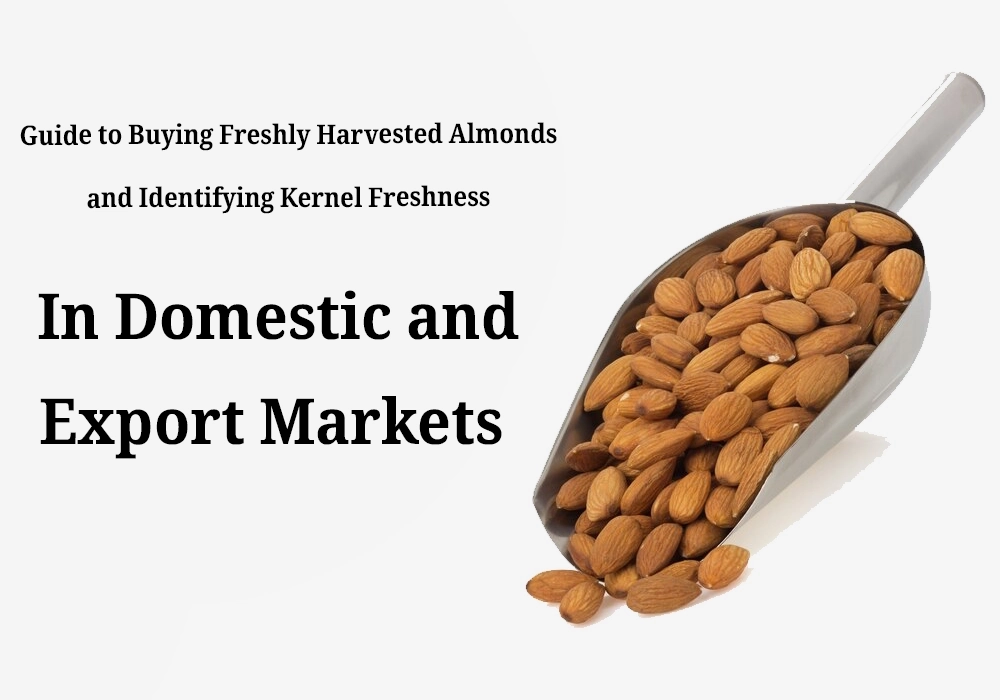
Guide to Buying Freshly Harvested Almonds and How to Identify Freshness of Almond Kernels in Domestic and Export Markets
Almonds are one of the most popular and consumed nuts around the world. This dry fruit not only has a delicious taste, but it also has many health benefits. In domestic and export markets, buying freshly harvested almonds is of great importance because fresh almond kernels contain more nutrients and have a better taste than old almonds. In this article, we will guide you on how to buy freshly harvested almonds and how to identify their freshness in domestic and export markets.
Importance of Buying Fresh Almonds
Fresh almonds are more nutritious as they contain higher amounts of vitamins, minerals, and antioxidants. They not only have a better taste but are beneficial for health, promoting heart health, boosting the immune system, and improving brain function. Consuming fresh almonds helps in increasing body energy and strengthening muscles. Because of these benefits, choosing fresh almonds is of great importance.
In addition to nutritional benefits, fresh almonds are also used in various food industries, such as almond milk, almond butter, and other products. Fresh almonds provide better taste and texture in food products. Thus, consuming fresh almonds helps in gaining the full benefits of this amazing nut.
How to Identify Fresh Almonds
Identifying the freshness of almonds is crucial in ensuring that you are buying quality almonds. Here are several ways to help identify fresh almonds.
Check the Color and Appearance of Almonds
Fresh almonds typically have a bright, shiny color, and the kernels appear glossy and transparent. In contrast, old almonds often have a dull, faded appearance and may show black spots or signs of decay.
Additionally, when checking fresh almonds, their skin should be smooth and free of cracks. Old almonds tend to have cracked, dry skin.
Smell and Texture Test
Fresh almonds should have a natural and pleasant smell. They should smell fresh, sweet, and nutritious. If almonds have a musty or rotten odor, they are likely stale. The texture of fresh almonds should be soft and brittle, whereas stale almonds are usually harder and more difficult to break.
Taste Test
One final and reliable method to test the freshness of almonds is to check their taste. Fresh almonds have a sweet, pleasant, and natural taste, while old almonds tend to taste bitter and dry.
Important Tips for Buying Almonds for Domestic and Export Markets
When buying almonds, especially for domestic and export markets, attention to certain key factors can greatly influence the quality and price of the product.
Choose a Trusted Supplier
Choosing a reliable supplier is one of the most important factors when buying almonds. Suppliers should source their almonds from trusted farms and meet quality standards.
Proper Almond Packaging
Fresh almonds should be packaged in airtight packaging to protect them from environmental factors such as moisture and heat. Packaging should be durable and contain clear product information.
Adhering to Export Standards
For exporting almonds, following international standards is crucial. Export almonds should meet high-quality standards and all necessary certifications for entering target markets.
Conclusion
When purchasing freshly harvested almonds, it is important to pay attention to their appearance, smell, texture, and taste to ensure you are getting the best quality almonds. Additionally, choosing a reliable supplier, ensuring proper packaging, and following export standards are crucial for both domestic and international markets.
Frequently Asked Questions
1. How can I tell if almonds are fresh?
Fresh almonds have a bright color, a shiny appearance, and a sweet taste. In contrast, old almonds tend to have a dull color and a bitter taste.
2. Are fresh almonds better than old almonds for health benefits?
Yes, fresh almonds contain more vitamins and nutrients compared to old almonds.
3. How can I find fresh almonds in the market?
To find fresh almonds, it is best to buy from trusted suppliers who source their almonds directly from farms.