
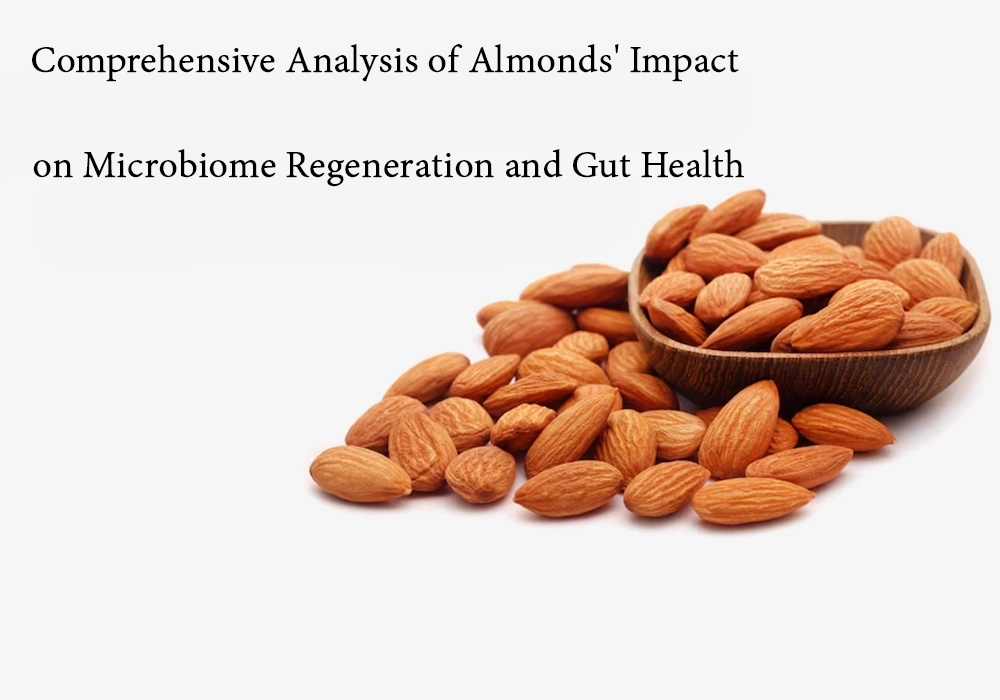
The Digestive Revolution: A Comprehensive Review of Almonds for Microbiome Restoration & Gut Health (Beyond Just Fiber)
Did you know that the number of bacteria in your gut exceeds the total number of cells in your entire body? We play host to over 100 trillion microorganisms, collectively known as the "Microbiome." Scientists today refer to the gut as the human "Second Brain" because this massive ecosystem not only digests food but also manufactures 90% of the body's Serotonin (the happiness hormone), manages the immune system, and even regulates our weight.
In the modern world, the overuse of antibiotics, chronic stress, and processed foods have decimated this internal garden. However, nature offers a powerful solution for its restoration: Almonds. Recent research indicates that almonds are not just a tasty nut; they are a "Smart Prebiotic" capable of dramatically increasing the population of beneficial gut bacteria.
In this specialized article from Walmond, we examine the precise mechanisms of how almonds impact the digestive system, treat constipation, and strengthen the gut's defensive barrier.
1. The Vital Distinction: Why "Prebiotics" Are More Important Than "Probiotics"
Many people spend a fortune on probiotic yogurts or capsules containing live bacteria. But there is a harsh truth: Bacteria die without food.
- Probiotic: The live beneficial bacteria themselves.
- Prebiotic: The fertilizer and food for these bacteria.
If you introduce millions of good bacteria into your body but fail to provide them with the right fuel (specific fibers), they will simply be eliminated. Almonds are one of nature's most potent sources of prebiotics. The fiber and chemical compounds in almonds survive stomach acid and reach the large intestine intact—exactly where the hungry bacteria are waiting.
2. The Magic of Almond Skin: The Hidden Treasure of Polyphenols
Many people peel off the brown skin of almonds, unaware that half of the almond's therapeutic power for the gut lies in this thin layer. Almond skins contain specific plant compounds called Polyphenols.
- Fiber & Phenol Synergy: Research shows that when the fiber in the almond meat combines with the polyphenols in the skin, the effect on bacterial growth is multiplied.
- Lab Results: A study at the Institute of Food Research in the UK demonstrated that consuming whole almonds (with skin) significantly increased populations of beneficial bacteria like Bifidobacteria and Lactobacillus, while simultaneously suppressing pathogenic bacteria (like Clostridia).
3. The "Butyrate" Factory: The Gut Repair Medicine
When gut bacteria eat (ferment) almond fiber, they produce Short-Chain Fatty Acids (SCFAs) as a byproduct. The most critical of these is Butyrate.
Why is Butyrate a miracle molecule?
- Exclusive Colon Fuel: The cells lining the large intestine (Colonocytes) need energy to survive, and they derive 70% of their energy directly from Butyrate.
- Repairing "Leaky Gut": If the gut wall weakens, toxins leak into the bloodstream (Leaky Gut Syndrome). Butyrate acts like "cement," tightening the junctions between cells to prevent toxins from entering the blood.
- Anti-Cancer: Butyrate creates an acidic environment in the gut, a condition that inhibits the growth of tumors and colon cancer cells.
4. The Almond Cellular Matrix: Fat Capsules That Don't Get Absorbed!
This is one of the most fascinating findings in nutritional science. The cell walls of almonds are incredibly tough. When you eat almonds, even if you chew them well, a portion of the fat remains trapped inside the almond's cellular structure and is not absorbed by the body.
- Benefit for the Gut: These trapped lipids reach the end of the digestive tract, acting as a lubricant to facilitate bowel movements.
- Benefit for Weight: This is why the actual caloric intake from almonds is about 20% less than what is stated on the nutrition label!
5. The Fiber Twins: Soluble & Insoluble
Almonds contain about 12.5% dietary fiber, which is a balanced mix of two vital types:
A) Insoluble Fiber (80% of Almond Fiber)
- Role: This fiber does not dissolve in water; instead, it acts like a sponge, absorbing water.
- Function: It adds bulk to the stool and acts like a "Natural Broom," sweeping waste through the intestines. This is the best natural remedy for Chronic Constipation.
B) Soluble Fiber (20% of Almond Fiber)
- Role: It combines with water to form a sticky, gelatinous substance.
- Function: This gel slows down the movement of food slightly, allowing for better nutrient absorption and preventing blood sugar spikes. Crucially, this soluble fiber is the primary food source for your microbiome.
6. The Digestion Challenge: Do Almonds Cause Bloating?
Some people complain of stomach heaviness or bloating after eating almonds. This is due to two factors:
- Enzyme Inhibitors: Substances naturally present on the skin to prevent premature germination.
- Phytic Acid: A compound that can bind to minerals.
The Golden Solution: "Activation" (Soaking)
To transform almonds into an easily digestible, gut-friendly food, you must "Activate" them:
- Place raw almonds in a bowl of lukewarm water (2 cups of water for every 1 cup of almonds).
- Add a teaspoon of sea salt (optional, helps break down enzymes).
- Let them sit for 12 to 24 hours.
- Discard the cloudy water and rinse the almonds.
The Result: Soaked almonds develop a plump, crisp texture. Phytic acid levels drop, and "Lipase" enzymes (fat-breakers) are activated. This means significantly easier digestion and higher nutrient absorption.
7. Who Needs Almonds the Most?
- People with IBS (Irritable Bowel Syndrome): They should start cautiously with small amounts (10 nuts), as high fiber can be irritating initially. Peeled almonds are often better for this group.
- Post-Antibiotic Users: To rapidly rebuild gut flora after a course of medication.
- Those with Chronic Constipation: Daily consumption of 20 almonds accompanied by plenty of water.
8. Consumption Guide for Maximum Gut Health
To provide the greatest benefit to your bacterial army:
- Almond Yogurt: Grind 10 almonds and sprinkle them over probiotic yogurt (Kefir or Greek Yogurt). The combination of Probiotics (Yogurt) and Prebiotics (Almonds) creates a health bomb known as a "Synbiotic."
- Don't Toss the Skin: Unless advised by a doctor. The skin is the primary home of antioxidants.
- Always Raw: Roasted or salted almonds lose some of the antioxidant properties of their skins due to heat, and excess salt can harm the microbiome.
Conclusion
Your health begins in your gut. If you want clear skin, a calm mind, and a resilient body, you must respect the billion-strong army of bacteria inside you. Almonds are the cheapest and most effective supplement for feeding this army. Their insoluble fibers clean the gut, while their soluble fibers and polyphenols nourish beneficial bacteria.
However, do not forget: Quality Matters. Stale almonds with oxidized fats can actually cause gut inflammation. To ensure digestive health, use [Walmond Raw & Fresh Almonds], which are managed from the orchard to your home with the integrity of the "Cold Chain" and freshness in mind.